
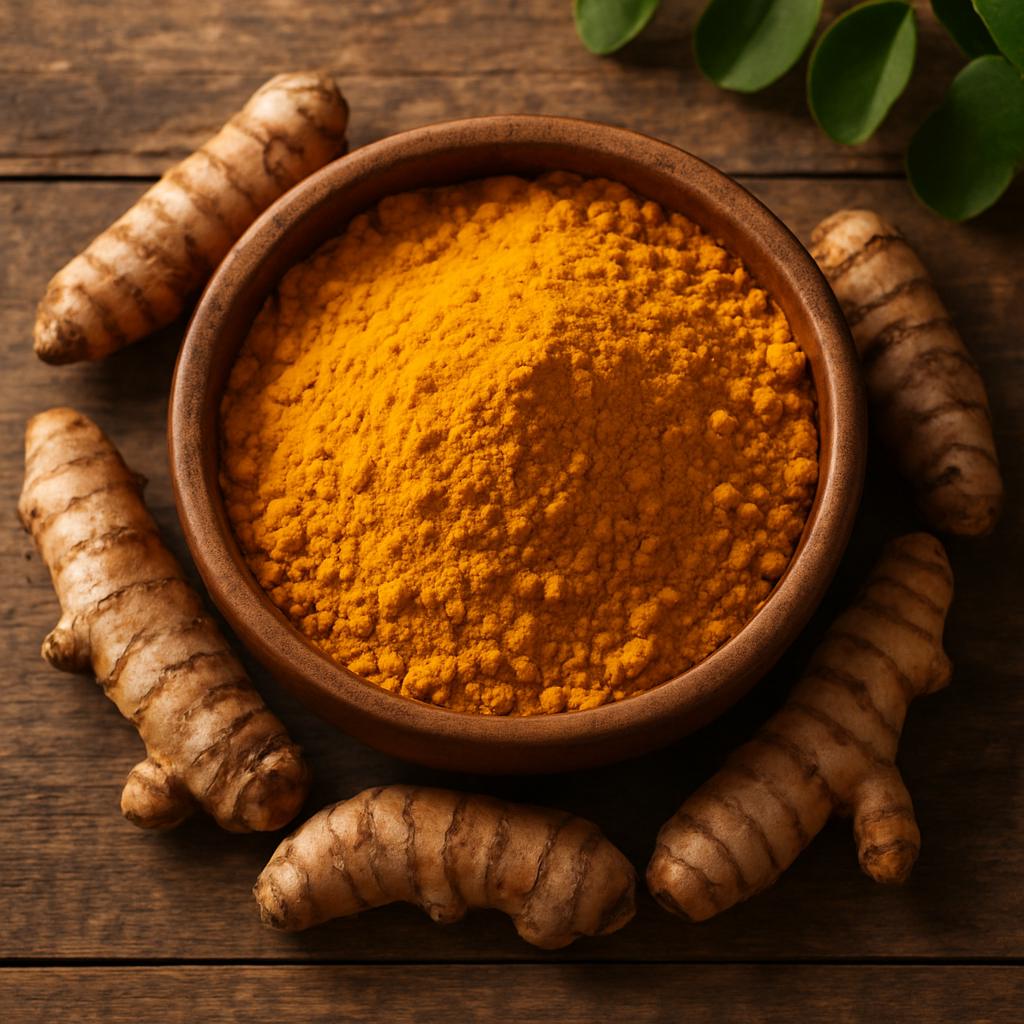
What Turmeric Does in Your Digestive System
Turmeric has been used as a digestive aid for thousands of years in Ayurvedic medicine, but now we have actual science to back up what traditional healers knew. The active compound, curcumin, works on gut health through several pathways: reducing intestinal inflammation, supporting the gut microbiome, and helping regulate gut motility.
Turmeric and IBS: What the Research Shows
Irritable bowel syndrome affects roughly 10-15% of the global population, and finding effective relief is a constant struggle for many people. A pilot study published in the Journal of Alternative and Complementary Medicine found that turmeric extract reduced IBS prevalence scores by up to 60% in participants over 8 weeks. That is a significant result for a natural supplement.
The mechanism makes sense: curcumin inhibits NF-kB, a key inflammatory signaling pathway in the gut lining. When gut inflammation drops, symptoms like bloating, cramping, and irregular bowel habits tend to improve.
What About Crohn’s and Colitis?
The evidence for inflammatory bowel disease is more mixed but promising. A 2006 randomized controlled trial published in Clinical Gastroenterology and Hepatology found that curcumin supplementation (1g twice daily) significantly reduced relapse rates in patients with quiescent Crohn’s disease compared to placebo. For ulcerative colitis, a meta-analysis in the Journal of Gastroenterology reviewed 5 trials and concluded curcumin combined with mesalamine was more effective at inducing remission than mesalamine alone.
The Gut Microbiome Connection
One underappreciated angle: curcumin acts as a prebiotic. Animal studies have shown it increases populations of beneficial bacteria like Lactobacillus and Bifidobacterium while suppressing pathogenic bacteria. Human data is still emerging, but it aligns with the traditional use of turmeric as a digestive tonic.
Does Turmeric Help with Bloating?
Yes, and the mechanism is pretty direct. Curcumin stimulates bile production from the gallbladder, which helps break down dietary fats and reduces that uncomfortable post-meal bloating. A German study found that curcumin relieved symptoms like fullness, belching, and nausea in 87% of participants with non-ulcer dyspepsia.
The Absorption Problem and How to Solve It
Here is the catch: raw curcumin has terrible bioavailability. Your body absorbs less than 1% of straight curcumin taken orally. Most of it just passes through. That is why the form of your supplement matters enormously.
The most well-studied solution is combining curcumin with piperine (black pepper extract). A landmark study in Planta Medica found that 20mg of piperine increased curcumin bioavailability by 2,000%. That is not a typo. The combination makes all the difference.
Dosage for Gut Health
For digestive benefits, most clinical studies have used 500-2,000mg of curcumin per day, typically split into 2 doses with meals. Starting at the lower end and working up lets you gauge your tolerance, since high doses can occasionally cause loose stools in sensitive individuals.
A Turmeric Supplement Worth Considering
If you are serious about gut health, you need a turmeric supplement that actually gets absorbed. Me First Living’s Turmeric Curcumin 1000mg combines standardized curcumin extract with BioPerine black pepper extract, which is the same combination shown in research to dramatically increase bioavailability. It is a clean formulation without unnecessary fillers, and the dose is in line with what clinical studies use for digestive support.
Can You Take Turmeric on an Empty Stomach?
Technically you can, but taking turmeric with a meal, especially one that includes some fat, improves absorption. Curcumin is fat-soluble, so the presence of dietary fat helps your intestines take it up more efficiently. A tablespoon of olive oil, some avocado, or any fatty food works.
Who Should Be Cautious
Turmeric is generally very safe, but a few situations call for attention. If you are on blood thinners like warfarin, high-dose curcumin may enhance the anticoagulant effect. People with gallstones should check with their doctor first, since curcumin’s bile-stimulating effect can trigger an episode. Pregnant women should stick to culinary amounts rather than supplement doses.
For most people though, turmeric is one of the safest and most studied anti-inflammatory compounds available.
The Bottom Line on Turmeric and Digestion
The evidence is real and it is growing. Turmeric’s ability to reduce gut inflammation, support the microbiome, stimulate bile production, and calm IBS symptoms makes it one of the more legitimate options for digestive support. The key is using a high-quality formulation with bioavailability enhancers and giving it 4-8 weeks to show results.