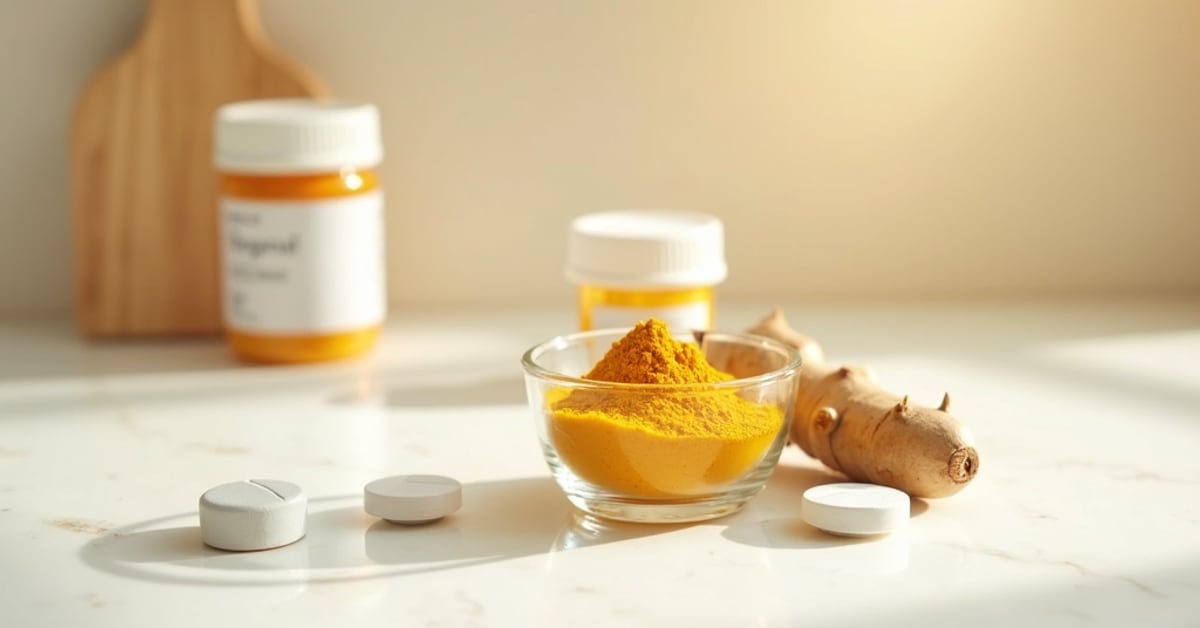
What to know before combining turmeric with blood thinners
Turmeric is a culinary spice and a source of curcumin, a polyphenol that has been studied for joint and metabolic support. Blood thinners include two broad groups: anticoagulants such as warfarin, apixaban, rivaroxaban, dabigatran, and heparins, and antiplatelets such as aspirin and clopidogrel. Because turmeric and curcumin may influence platelet activity and drug handling in the body, combining turmeric supplements with blood thinners can raise bleeding risk for some people. Spice-level turmeric in food is different from concentrated supplements, so practical guidance depends on the form and dose.
Key takeaways on turmeric and blood thinners
- Food use of turmeric, such as seasoning in curries, appears low risk for most people on blood thinners; confirm with your care team if you use large amounts daily.
- Concentrated turmeric or curcumin supplements may increase bleeding risk when combined with anticoagulants or antiplatelets; this is a bigger concern with warfarin.
- Formulations that boost curcumin absorption, such as products with BioPerine or phospholipid complexes, can raise interaction potential.
- Case reports and pharmacovigilance alerts link turmeric products to elevated INR in warfarin users, which signals a possible interaction that requires monitoring.
- If your clinician approves a trial, start low, choose a consistent brand and formulation, and watch for signs of bleeding such as easy bruising or nosebleeds.
Why an interaction is biologically plausible
Curcumin and related curcuminoids have shown effects on platelet function in preclinical research. For example, in vitro work in Thrombosis Research in 1985 reported that curcumin reduced platelet aggregation by influencing arachidonic acid pathways. These laboratory data do not prove that turmeric supplements cause bleeding in people, yet they help explain why clinicians are cautious when patients on blood thinners add concentrated curcumin.
Absorption enhancers also matter. The classic 1998 human study in Planta Medica found that adding piperine from black pepper increased curcumin bioavailability about twenty fold. This is why many products combine curcumin with piperine, often listed as BioPerine. Greater absorption can be useful for reaching target tissues, but it may also amplify interaction risk with medications that affect clotting or are metabolized by liver enzymes and transporters.
What the human evidence shows so far
There are no large, dedicated randomized trials that test turmeric or curcumin on top of anticoagulants for bleeding outcomes. Most clinical trials of curcumin focus on joint comfort or metabolic parameters and report gastrointestinal symptoms as the most common side effects. A 2017 narrative review in Foods described curcumin as generally well tolerated in clinical studies, with serious adverse events uncommon at studied doses. That said, absence of frequent bleeding events in general curcumin trials does not rule out an interaction in people taking antithrombotic drugs.
Signals do exist. A 2018 safety alert from New Zealand’s Medsafe described a patient on warfarin who developed a markedly elevated INR after starting a turmeric product. Pharmacovigilance reports cannot prove causation, but when paired with biologic plausibility and the narrow therapeutic index of warfarin, they support a careful, individualized approach rather than casual use.
Who should be most cautious
- Warfarin users: Warfarin’s effect varies with diet, illness, and other drugs. Turmeric supplements may be associated with INR changes, so any use should be coordinated with frequent INR checks.
- People on direct oral anticoagulants: Apixaban, rivaroxaban, dabigatran, and edoxaban have fewer dietary issues than warfarin, yet combining with high dose turmeric could still increase bruising or bleeding risk.
- Those on antiplatelet therapy or NSAIDs: Aspirin, clopidogrel, prasugrel, ticagrelor, and chronic NSAID use already affect platelets. Adding curcumin may compound effects on primary hemostasis.
- Individuals with bleeding disorders or low platelets: Avoid turmeric supplements unless a specialist advises otherwise.
- People scheduled for surgery or dental procedures: Many clinicians ask patients to stop herbal supplements, including turmeric, 1 to 2 weeks before procedures to reduce bleeding risk.
Food turmeric versus supplements
Culinary turmeric is a spice, not a drug. Typical food amounts contribute milligram quantities of curcuminoids and are diluted in fat and fiber, which lowers systemic exposure. By contrast, a quality turmeric supplement can deliver hundreds of milligrams of extract standardized to 95% curcuminoids per serving, sometimes combined with absorption enhancers. That difference in dose and bioavailability is why risk assessment changes between food and capsules.
If you enjoy turmeric in cooking, most clinicians allow normal dietary use with blood thinners. Large, consistent daily intakes or medicinal drinks with heaping teaspoons can approach supplemental exposure, so discuss your routine with your anticoagulation clinic if you use turmeric heavily.
Practical guidelines if you take blood thinners
- Do not self start turmeric or curcumin capsules while on blood thinners. Discuss with your prescriber or pharmacist first.
- Clarify your goal. If your aim is joint comfort, ask about noninteracting options first. If curcumin is still of interest, request a plan for dose, brand, and monitoring.
- Prefer stability. Warfarin users should avoid frequent changes in supplement brands or formulas, since shifts in BioPerine content or extract type can alter exposure.
- Start low if approved. Your clinician may suggest a modest dose and a product without black pepper extract. Some may prefer formulations without strong bioenhancers at first.
- Time your labs. For warfarin, arrange an INR check within several days of any change and again after 1 to 2 weeks. For DOACs, monitor clinically for bruising, gum bleeding, nosebleeds, dark stools, or prolonged bleeding from cuts.
- Hold before procedures. Ask your surgeon or dentist how long to stop supplements. Two weeks is a common window, though instructions vary by procedure and medication.
- Avoid stacking. Do not combine turmeric with other herbs or nutrients that may affect clotting, such as high dose fish oil or ginkgo, unless your clinician agrees.
Choosing a formulation thoughtfully
If your care team gives a green light to try curcumin, consider the implications of different supplement technologies. Many products are extracts standardized to 95% curcuminoids. Some use phospholipid complexes, micelles, or piperine to raise blood levels. These designs can be effective for general wellness goals, yet they may also increase the likelihood of a pharmacologic interaction. A simpler extract without aggressive bioenhancers is often a prudent starting point for those on blood thinners.
Look for third party testing, clear labeling of curcuminoid content, and consistent lot production. Report any unusual bruising or bleeding to your clinician promptly, and keep a written list of doses and brand names in your medication record.
Signs of a potential interaction
- Easy or unexplained bruising
- Frequent nosebleeds or bleeding gums
- Prolonged bleeding from small cuts
- Blood in urine or dark, tarry stools
- For warfarin users, an unexpected change in INR
Seek medical care for significant or persistent bleeding, dizziness, fainting, or if you suspect an interaction with your blood thinner.
What the evidence does not show
There is no convincing human trial evidence that turmeric supplements reduce the need for anticoagulants or substitute for them. Curcumin research suggests it may support a healthy inflammatory response and joint comfort in some contexts, but it is not a blood thinner replacement and should not be used to adjust prescribed doses of anticoagulants or antiplatelet drugs.
Alternative approaches for joint comfort on blood thinners
If you are exploring options for joint support while taking anticoagulants, ask your clinician about nonpharmacologic strategies such as strength training, weight management, and sleep optimization. Topical modalities, such as physical therapy, heat, or ice, do not interact with anticoagulants. Some nutrients and herbs can also influence clotting, so any new regimen should be reviewed by a professional who understands your medication profile.
Bottom line
Food level turmeric is usually compatible with blood thinners, but high dose turmeric or curcumin supplements can be associated with increased bleeding risk, particularly with warfarin and, to a lesser extent, with DOACs or antiplatelets. Preclinical work in the 1980s linked curcumin to reduced platelet aggregation, a 1998 human study showed that piperine markedly increases curcumin absorption, and a 2017 review summarized generally good tolerability in trials. Real world safety alerts in warfarin users reinforce the need for caution. If you and your clinician decide that a trial makes sense, choose a standardized extract carefully, start low, monitor closely, and stop before procedures.
Selected research
- In vitro antiplatelet effects: a 1985 study in Thrombosis Research reported reduced platelet aggregation with curcumin.
- Bioavailability with piperine: a 1998 human study in Planta Medica found about twenty fold higher curcumin levels when coadministered with piperine.
- Clinical safety overview: a 2017 narrative review in Foods concluded curcumin is generally well tolerated in human trials, with gastrointestinal symptoms most common.
- Pharmacovigilance: a 2018 Medsafe safety alert described elevated INR in a warfarin user after starting a turmeric product.